
Construction services
Building
the future
WHAT WE DO
Our Service

Industrial Engineering
Arc embraces holistic development and support for employees the aim of being

House Renovation
World class infrastructure solutions to customers and stakeholders.

General Contractor
Since the 1980s, as the complexity of buildings began to increase, the field of Industrial Engineering
OUR SERVICES
Industrial engineering.
World class infrastructure solutions to customers range of industry sectors.
Architecture
Industrial Engineering
And Construction
Construction
Infrastructure
Solutions
Interior Design
First-class Construction
And Infrastructure
국내 야구 시즌이 시작되면 많은 팬들이 각 구단의 경기를 실시간으로 시청하고 싶어 합니다. 고릴라티비에서는 KBO 리그의 모든 경기를 고화질로 제공하며, 누구나 무료로 시청할 수 있는 환경을 제공합니다. 특히 끊김 없는 스트리밍과 광고 없는 쾌적한 화면은 야구 팬들에게 큰 만족을 주고 있습니다. 이정후, 강백호, 김하성 등 인기 선수들의 활약을 실시간으로 확인하고 싶다면, 고릴라티비의 프로야구중계 서비스를 이용해보세요. 경기 스코어 확인은 물론, 홈런, 역전극 등 하이라이트 장면도 함께 제공되어 팬들의 눈과 귀를 사로잡습니다.
최근 스포츠 팬들 사이에서 경기의 재미를 더하는 수단으로 토토가 주목받고 있습니다. 단순한 게임을 넘어 경기의 결과를 예측하고 보상을 받는 시스템은 많은 이용자들에게 흥미로운 경험을 제공합니다. 하지만 무분별한 참여보다는 신뢰할 수 있는 플랫폼을 이용하는 것이 가장 중요합니다. 정식 인증을 받거나 검증된 업체를 통해 토토를 이용해야 안전한 환경에서 서비스를 즐길 수 있습니다. 또한, 과도한 베팅은 지양하고 재미를 위한 선에서 즐기는 것이 바람직합니다. 건전한 스포츠 문화와 함께 토토를 올바르게 활용해보세요.
Understanding Over/Under Bets in Sports 안전놀이터

When diving into the world of sports betting, 안전놀이터 Over/Under bets are one of the most popular and straightforward types to understand. This betting style allows you to focus on the overall score rather than picking a winning team. In this guide, we’ll break down Over/Under bets, how they work, tips for making smart Over/Under bets, and common mistakes to avoid. By the end, you’ll have a clear understanding of this exciting betting type!
What is an Over/Under Bet?
An Over/Under bet is a type of wager in sports betting where you bet on the total combined score of both teams in a game. Instead of predicting which team will win, you simply predict if the total points, goals, or runs will be over or under a specific number set by the sportsbook. This number is known as the total or line.
Example of an Over/Under Bet
Imagine a football game between Team A and Team B with a total of 45.5 points. If you bet the Over, you are wagering that both teams’ combined scores will be 46 points or higher. If you bet the Under, you’re betting the total score will be 45 points or less.
Why Choose an Over/Under Bet?
Over/Under bets are popular because they allow you to enjoy the game without focusing on the winner. Here’s why many people choose this betting type:
- Simplifies the Betting Process: With Over/Under bets, you only focus on the total score, making it easier to understand and follow.
- Enjoyable Betting Experience: You can root for both teams to score (if you bet Over) or hope for a tight, low-scoring game (if you bet Under).
- Works in Many Sports: Over/Under bets are available across various sports, including football, basketball, soccer, and baseball.
How Do Sportsbooks Set the Over/Under Line?
Sportsbooks set the Over/Under line by analyzing numerous factors that could impact the final score of a game. Here are some of the factors they consider:
- Team Offense and Defense: If both teams have high-scoring offenses, the sportsbook may set a higher Over/Under line. Conversely, if the teams are known for strong defenses, the line may be lower.
- Weather Conditions: For outdoor sports like football, weather can impact scoring. Rain, snow, or high winds can lower scoring, while favorable weather may increase it.
- Game Pace: Some sports, like basketball, can have fast or slow game paces, which affect scoring potential.
- Player Conditions: Injuries, player form, or suspensions can also impact the total, especially if key offensive or defensive players are affected.
Example of an Over/Under Line Adjustment
If two high-powered offensive teams are facing each other, the sportsbook may set the Over/Under at 50.5 points. But if a top-scoring player is ruled out before the game, the sportsbook may lower the line to adjust for the player’s absence.
Types of Over/Under Bets
There are different types of Over/Under bets available depending on the sport and specific betting markets. Here’s a look at some common variations:
1. Game Total Over/Under
This is the most popular type of Over/Under bet, where you wager on the total score of the game. It’s available in most sports and can be placed on points (football, basketball), goals (soccer, hockey), or runs (baseball).
2. Team Total Over/Under
Instead of betting on the total score for both teams, you can bet on the total points of just one team. For example, in a basketball game, you might bet on Team A scoring over 100.5 points.
3. Quarter or Half Over/Under
In some sports, you can bet on Over/Under totals for specific quarters or halves. For instance, you can bet on the first-half total in a football game or the third-quarter total in a basketball game.
4. Player Over/Under Props
Player props allow you to bet on individual player performance, like the total points a player scores in basketball or the number of passing yards in football. These bets are based on Over/Under predictions for the player’s performance.
Tips for Betting on Over/Under Totals
1. Research Team and Player Performance
Take the time to understand each team’s scoring tendencies. Some teams score quickly and often, while others rely on strong defenses. Reviewing recent games, player form, and even coaching styles can provide valuable insights.
2. Consider Game Tempo
Some sports, like basketball, have a fast-paced game tempo that can lead to higher scores. Teams with aggressive playing styles tend to score more, which is crucial when deciding on an Over/Under bet.
3. Factor in Venue and Weather
The game’s venue and, in outdoor sports, the weather can impact scoring. A game played in ideal weather conditions is likely to have a different total than a game played in heavy rain or strong wind.
4. Check for Player Injuries
A missing key player, especially one who contributes significantly to scoring, can influence the Over/Under. Likewise, a strong defensive player being out may lead to a higher-scoring game.
5. Analyze Historical Data
Looking at past games between the two teams can give clues about how this game might play out. Historical data can highlight trends, such as whether these teams generally have high or low-scoring games against each other.
Common Mistakes to Avoid with Over/Under Bets
While Over/Under bets are relatively simple, there are some common mistakes to avoid to ensure a successful betting experience.
1. Ignoring Key Statistics
Failing to consider important stats, like offensive and defensive rankings or pace of play, can lead to poor betting decisions. Reviewing these stats helps you make a more informed choice.
2. Relying on Intuition Alone
Many bettors make the mistake of relying solely on their intuition or gut feelings. While intuition can sometimes be helpful, backing up your decisions with research and data is essential for consistent success.
3. Not Adapting to New Information
If new information becomes available, such as a last-minute injury or a change in the weather forecast, adapt your bet accordingly. Ignoring new details could cause you to miss important changes that affect the game outcome.
4. Overbetting
A common pitfall is betting too much on Over/Under wagers without proper bankroll management. Set a limit on your bet size to ensure you can handle any potential losses and continue betting responsibly.
Example Over/Under Bet: NFL Game Scenario
Let’s look at a real-world example to understand how Over/Under bets work in practice.
Imagine a game between the Los Angeles Rams and the San Francisco 49ers. The sportsbook sets the Over/Under line at 47.5 points. If you bet the Over:
- You win if the final combined score is 48 points or more.
- You lose if the final combined score is 47 points or less.
If you bet the Under:
- You win if the final combined score is 47 points or less.
- You lose if the final combined score is 48 points or more.
In this example, you only need to predict the total points scored, not which team wins.
Conclusion
Over/Under bets are a fantastic way to enjoy sports betting, focusing on the overall game score rather than which team wins. With some basic knowledge of team performance, game tempo, player conditions, and weather, you can make informed Over/Under bets in various sports. Remember to avoid common pitfalls, like ignoring key statistics or relying solely on intuition. By following these tips and doing your research, Over/Under betting can be both an enjoyable and rewarding part of your sports betting experience.
Happy betting, and may you enjoy many successful Over/Under wagers!
The Role of Analytics in Modern Sports Betting 토지노

Sports betting 토지노 has evolved dramatically in recent years, transforming from simple wagers based on intuition and fandom to a sophisticated activity deeply rooted in data and analytics. Analytics now plays a pivotal role in helping bettors make informed decisions, providing insights that go far beyond traditional statistics. By harnessing the power of data, bettors can gain a competitive edge in this ever-changing landscape.
In this article, we’ll explore how analytics has revolutionized sports betting, the tools and techniques used, and how bettors can incorporate data-driven strategies into their approach.
What Is Sports Betting Analytics?
Sports betting analytics involves collecting, analyzing, and interpreting data to make more accurate predictions about the outcome of sports events. This data ranges from basic stats, such as team records and player performance, to advanced metrics like player efficiency ratings, weather conditions, and historical trends.
Analytics empowers bettors by identifying patterns and trends that might not be apparent through casual observation, allowing for more calculated and informed betting decisions.
Why Analytics Matters in Sports Betting
1. Improved Accuracy in Predictions
Analytics provides a detailed view of factors influencing a game, increasing the likelihood of accurate predictions. For example, analyzing a team’s performance under specific conditions—like playing on the road or against a particular opponent—can help bettors assess potential outcomes.
2. Identifying Value Bets
Value betting is about finding odds that don’t reflect the true probability of an event. Analytics helps uncover such opportunities by calculating more accurate probabilities, often revealing discrepancies between actual and offered odds.
3. Reducing Emotional Bias
Bettors often let emotions cloud their judgment, leading to poor decisions. Analytics introduces objectivity, focusing solely on facts and figures rather than personal preferences or gut feelings.
Key Areas Where Analytics Impacts Sports Betting
1. Performance Metrics
Modern analytics digs deeper than traditional stats like goals scored or wins. It includes advanced metrics such as:
- Expected Goals (xG): Evaluates the quality of scoring opportunities in sports like soccer.
- Player Efficiency Ratings (PER): Measures a basketball player’s overall effectiveness.
- Win Probability Models: Predicts the likelihood of a team’s success during various stages of a game.
2. In-Game Betting (Live Betting)
Analytics plays a crucial role in live betting, where odds and probabilities shift rapidly based on in-game events. Data-driven models allow bettors to:
- Assess team momentum.
- Identify patterns, such as late-game surges or collapses.
- Respond quickly to changes using real-time data.
3. Historical Trends and Patterns
Analyzing historical data provides valuable context for betting decisions. For instance:
- How a team performs after a loss.
- Seasonal trends, such as teams excelling in certain weather conditions.
- Performance against specific opponents or in critical games.
Tools and Techniques in Sports Betting Analytics
1. Statistical Models
Statistical models analyze data to predict outcomes. Popular models include:
- Regression Analysis: Identifies relationships between variables (e.g., player stats and game outcomes).
- Machine Learning: Uses algorithms to detect patterns and improve predictions over time.
- Monte Carlo Simulations: Runs thousands of scenarios to estimate probabilities of various outcomes.
2. Data Visualization
Graphs, heatmaps, and dashboards make complex data easy to understand. Bettors can quickly identify trends and anomalies, aiding decision-making.
3. Betting Algorithms
Algorithms process vast amounts of data to generate betting suggestions. These tools evaluate multiple factors simultaneously, including team form, player injuries, and even public betting trends.
How Bettors Can Use Analytics
1. Research Before Betting
Invest time in studying analytics-driven reports and tools. Many websites offer detailed stats and advanced metrics for various sports.
2. Compare Odds with Probabilities
Use analytics to calculate the true probability of an event and compare it with the sportsbook’s odds. This helps identify value bets.
3. Track Your Bets
Record every wager, including the analytics you used to make the decision. Over time, this data can help you refine your strategy and identify areas for improvement.
4. Leverage Publicly Available Tools
Several platforms provide access to advanced analytics, such as:
- FanGraphs for baseball.
- Opta for soccer.
- NBA Stats for basketball.
These tools make analytics accessible to all levels of bettors.
The Future of Analytics in Sports Betting
1. Integration of Artificial Intelligence (AI)
AI is becoming a game-changer in sports betting. It processes massive amounts of data, adapts to new information, and delivers insights at lightning speed. AI-driven tools will continue to refine betting predictions, offering unparalleled accuracy.
2. Wearable Technology and Real-Time Data
As athletes use wearable tech to track performance, this data could revolutionize betting analytics. Real-time insights into player fitness, speed, and effort could shape future betting markets.
3. Personalized Betting Insights
In the future, sportsbooks may offer personalized analytics for bettors, tailoring recommendations based on individual preferences and betting history.
Tips for Using Analytics Effectively
- Start Simple: Focus on one sport or league and gradually incorporate advanced metrics.
- Stay Informed: Follow industry trends and updates to keep your strategies relevant.
- Avoid Overreliance: While analytics is powerful, it’s not foolproof. Use it alongside your knowledge and instincts.
Conclusion
Analytics has transformed sports betting into a more informed and strategic activity. By understanding and utilizing data, bettors can improve their accuracy, identify value bets, and reduce emotional biases. Whether you’re a seasoned bettor or a newcomer, embracing analytics can enhance your experience and potentially lead to greater success.
As technology continues to advance, the role of analytics in sports betting will only grow, offering even more tools and opportunities for bettors to stay ahead of the game. So dive into the world of analytics and take your sports betting to the next level!
Top Scenic Golf Courses in Ho Chi Minh City 호치민골프투어

Ho Chi Minh City, Vietnam’s bustling metropolis, is not only famous for its vibrant culture and historical landmarks but also for its stunning golf courses 호치민골프투어. For avid golfers and leisure seekers alike, the city offers an impressive selection of courses set amidst lush landscapes, serene lakes, and breathtaking views. Whether you’re a seasoned player or just getting started, the golf courses in Ho Chi Minh City promise an unforgettable experience.
This article explores the top scenic golf courses in and around Ho Chi Minh City, showcasing their unique features and facilities.
1. Tan Son Nhat Golf Course
A City Oasis
Located just 4 kilometers from the Tan Son Nhat International Airport, Tan Son Nhat Golf Course is a convenient yet luxurious escape from the city’s hustle. It is one of the few golf courses situated within the city limits, making it a favorite among locals and tourists alike.
Scenic Highlights
This 36-hole championship course features undulating fairways, pristine water hazards, and beautifully landscaped gardens. The course is designed to challenge players of all levels while providing a scenic backdrop that enhances the experience.
Facilities
- Clubhouse: A modern facility offering a pro shop, dining options, and luxurious locker rooms.
- Practice Areas: Includes a driving range and putting greens for warm-ups and skill enhancement.
- Night Golf: The course is equipped with floodlights, allowing players to enjoy golf even after sunset.
2. Vietnam Golf and Country Club
A Historic Gem
Situated just 20 kilometers from the city center, Vietnam Golf and Country Club is one of the oldest and most prestigious golf courses in the region. Spanning over 300 hectares, it offers a tranquil setting away from the city’s bustling streets.
Two World-Class Courses
- East Course: Designed by Lee Trevino, this course features narrow fairways and strategic bunkering, making it ideal for experienced golfers.
- West Course: With its wide fairways and forgiving greens, this course is perfect for beginners and those seeking a more relaxed game.
Scenic Beauty
Both courses are surrounded by towering trees and serene lakes, offering a peaceful ambiance that perfectly complements the game.
3. Twin Doves Golf Club
A Private Retreat
Located in Binh Duong province, just 30 kilometers from Ho Chi Minh City, Twin Doves Golf Club is an exclusive members-only club. However, international guests can access the course by booking through select agencies or hotels.
Three Unique Nines
Twin Doves features three distinct nine-hole courses—Luna, Sole, and Stella—each offering unique challenges and stunning landscapes. With its immaculate greens, water hazards, and bunkers, it ensures a rewarding experience for players of all skill levels.
Premium Facilities
- Clubhouse: Offers fine dining options, conference rooms, and recreational facilities.
- Practice Area: Features a large driving range and short-game practice zones.
4. Song Be Golf Resort
Vietnam’s First Championship Course
Situated about an hour’s drive from the city, Song Be Golf Resort is renowned for being the country’s first international-standard championship course. Its 27-hole layout is divided into the Lotus, Palm, and Desert courses, each offering a unique challenge.
Natural Splendor
The resort’s design incorporates natural elements such as lotus ponds, palm-lined fairways, and sandy dunes, making it one of the most picturesque courses in the region.
Facilities
- Clubhouse: Includes a restaurant, pro shop, and locker rooms.
- Practice Area: Equipped with driving ranges and putting greens.
5. Long Thanh Golf Club
A Scenic Escape
Located just 40 kilometers from Ho Chi Minh City, Long Thanh Golf Club is often regarded as one of the most beautiful golf courses in Vietnam. Perched on a hill overlooking the Dong Nai River, it offers stunning panoramic views.
Two Championship Courses
- Hill Course: Known for its rolling fairways and strategically placed bunkers.
- Lake Course: Features water hazards and lush vegetation, providing both a challenge and a scenic delight.
State-of-the-Art Facilities
- Luxury Clubhouse: With panoramic views, the clubhouse includes a restaurant, pro shop, and relaxation areas.
- Night Golf: The course is illuminated for nighttime play.
6. The Bluffs Ho Tram Strip
Coastal Beauty
While technically outside Ho Chi Minh City, The Bluffs Ho Tram Strip deserves mention for its stunning coastal location, just two hours from the city. Designed by golfing legend Greg Norman, this links-style course is set along the shores of the South China Sea.
Unique Features
The Bluffs offers a mix of rolling dunes, ocean breezes, and spectacular views. Its challenging design and scenic beauty make it a must-visit destination for any golfer.
World-Class Amenities
- Luxury Clubhouse: Includes a fine dining restaurant, bar, and pro shop.
- On-Site Accommodation: Visitors can stay at the nearby luxury hotels and casinos.
Tips for Enjoying Golf in Ho Chi Minh City
- Plan Ahead: Book tee times in advance, especially during weekends and peak seasons.
- Dress Appropriately: Most courses require collared shirts, tailored shorts or trousers, and proper golf shoes.
- Stay Hydrated: Ho Chi Minh City’s tropical climate can be humid, so carry plenty of water.
- Consider Night Golf: Many courses offer night golf, which is a cooler and equally enjoyable way to play.
Conclusion
Ho Chi Minh City is home to some of Vietnam’s most scenic and well-designed golf courses. From city-center retreats like Tan Son Nhat Golf Course to coastal gems like The Bluffs Ho Tram Strip, each course offers unique challenges and breathtaking views. With world-class facilities, welcoming atmospheres, and lush landscapes, golfing in Ho Chi Minh City is an experience that blends sport, luxury, and nature.
Whether you’re a seasoned golfer or a beginner, these top scenic golf courses promise an unforgettable journey into the world of Vietnamese golf. Plan your trip today and discover why Ho Chi Minh City is becoming a must-visit destination for golf enthusiasts.
Creating a Sports Streaming Brand: How to 스포츠중계

In the rapidly evolving world of sports streaming 스포츠중계, establishing a brand that resonates with viewers is essential for success. As more sports enthusiasts turn to online platforms for their live sports fix, competition is fiercer than ever. In this comprehensive guide, we will delve into the strategies you can implement to create a unique and compelling sports streaming brand that stands out in 2024.
Table of Contents
- Understanding the Sports Streaming Landscape
- Defining Your Brand Identity
- Choosing the Right Niche
- Developing a Content Strategy
- Utilizing Technology and Platforms
- Building an Engaged Community
- Effective Marketing Strategies
- Measuring Success and Adapting
- Conclusion
Understanding the Sports Streaming Landscape
The sports streaming landscape is continuously changing. With major sports leagues and networks launching their own streaming services, viewers now have more choices than ever. According to recent reports, sports streaming is projected to grow by over 10% annually, presenting a significant opportunity for new entrants.
Key Trends in Sports Streaming
- Increased Accessibility: With smartphones and smart TVs becoming ubiquitous, fans can watch sports from anywhere.
- Rise of Original Content: Many streaming platforms are now creating exclusive content to attract viewers.
- Integration of Social Media: Live interaction through platforms like Twitter and Instagram enhances viewer engagement during live events.
Defining Your Brand Identity
Your brand identity is the foundation of your streaming service. It encompasses your brand name, logo, messaging, and overall aesthetic. Establishing a strong brand identity helps differentiate your service in a crowded market.
Creating a Memorable Brand Name
Choose a name that reflects the essence of your brand. It should be catchy, easy to remember, and relevant to sports streaming. Use brainstorming techniques or even audience feedback to finalize your name.
Designing Your Logo
Your logo should be simple yet impactful. Consider colors that evoke emotions related to sports, such as energy and excitement. Ensure that your logo is versatile and looks good on various platforms.
Crafting a Unique Value Proposition
What makes your streaming service unique? Define what you offer that competitors do not. This could be exclusive coverage of lesser-known sports, in-depth analysis, or community interaction.
Choosing the Right Niche
Focusing on a specific niche can help you attract a dedicated audience. Here are some niches you might consider:
1. Local Sports Coverage
Many fans want to watch their local teams. Offering live streams and highlights for local leagues can fill a gap in the market.
2. Niche Sports
Consider focusing on niche sports like rugby, lacrosse, or esports. These communities often lack extensive coverage and are eager for content.
3. Amateur Sports
Broadcasting amateur sports events can attract local sponsors and a loyal following.
Developing a Content Strategy
A robust content strategy is essential for attracting and retaining viewers. This involves more than just live streaming events; it includes pre-game shows, post-game analysis, and community engagement.
Content Types to Consider
- Live Game Broadcasts: The core of your service, ensures high-quality streams with minimal delays.
- Highlight Reels: Compile and share the best moments from games.
- Interviews and Analysis: Engage with players, coaches, and sports analysts to provide in-depth insights.
Content Calendar
Establish a content calendar to plan your broadcasts, social media posts, and promotional content. This helps maintain consistency and keeps your audience engaged.
Utilizing Technology and Platforms
The technology you choose can significantly impact the quality of your broadcasts and user experience.
Streaming Platforms
Select a reliable streaming platform that meets your needs. Popular options include YouTube Live, Twitch, and Vimeo. Consider their features, ease of use, and cost.
Equipment Needed
Invest in high-quality equipment for the best streaming experience. Essential equipment includes:
- Cameras: Use HD cameras for clear visuals.
- Microphones: Invest in good microphones for clear audio.
- Streaming Software: Software like OBS Studio or Wirecast can enhance your broadcasts.
Website and App Development
Creating a dedicated website or app can help centralize your content. This allows for easier navigation, subscription management, and community interaction.
Building an Engaged Community
Creating a community around your brand can significantly enhance viewer loyalty. Here’s how to foster engagement:
Social Media Engagement
Utilize platforms like Twitter, Facebook, and Instagram to interact with your audience. Share highlights, and behind-the-scenes content, and engage in conversations about sports.
Hosting Events
Organize online events, such as Q&A sessions with athletes or live discussions during games. This creates a sense of community and encourages viewer participation.
Feedback and Improvement
Encourage viewer feedback through surveys and polls. This helps you understand your audience’s preferences and improve your offerings.
Effective Marketing Strategies
To stand out in 2024, you need a solid marketing strategy that targets your audience effectively.
SEO Optimization
Optimize your website and content for search engines. Use relevant keywords, meta tags, and descriptive titles to increase visibility.
Influencer Partnerships
Collaborate with sports influencers and bloggers to promote your streaming service. Their endorsement can reach a wider audience and build credibility.
Paid Advertising
Consider utilizing paid advertising on social media and search engines to reach targeted demographics. Platforms like Google Ads and Facebook Ads can help you achieve this.
Measuring Success and Adapting
It’s crucial to monitor your performance regularly. Use analytics tools to measure viewer engagement, subscription rates, and overall performance.
Key Performance Indicators (KPIs)
- Viewership Numbers: Track how many people are watching your broadcasts.
- Subscriber Growth: Monitor how your subscriber base is growing over time.
- Engagement Rates: Analyze comments, likes, and shares on your content.
Adapting Strategies
Be willing to adapt your strategies based on performance data. If certain content types resonate more with your audience, focus on those.
Conclusion
In conclusion, creating a successful sports streaming brand in 2024 requires careful planning, a strong identity, and a focus on community engagement. By following the steps outlined in this guide, you can differentiate your service in a competitive market and attract a loyal audience. Remember, the key to long-term success lies in your ability to adapt and evolve with the ever-changing landscape of sports broadcasting. Embrace these strategies, and you will be well on your way to establishing a brand that stands out in the sports streaming world.
Top 5 Sports Streaming Services Compared

In the modern digital era, sports fans are presented with numerous choices for streaming their beloved games and events. The proliferation of diverse sports streaming 스포츠중계 platforms can make selecting the ideal one a daunting task. This detailed guide meticulously evaluates the leading five sports streaming services to empower you in making a well-informed choice. Whether your passion lies in football, basketball, soccer, or any other sport, rest assured, we’ve got you covered.
1. ESPN+
Overview
ESPN+ stands out as a premier sports streaming 스포츠중계 In the modern digital era, sports fans are presented with numerous choices for streaming their beloved games and events. The proliferation of diverse sports streaming 스포츠중계 platforms can make selecting the ideal one a daunting task. This detailed guide meticulously evaluates the leading five sports streaming services to empower you in making a well-informed choice. Whether your passion lies in football, basketball, soccer, or any other sport, rest assured, we’ve got you covered.
1. ESPN+
Overview
ESPN+ stands out as a premier sports streaming 스포츠중계 platform, delivering a wide range of live sports, exclusive events, and original content. A branch of the esteemed ESPN, ESPN+ ensures thorough coverage of diverse sports and leagues.
Features
- Extensive Sports Coverage: ESPN+ covers major leagues like the UFC, NHL, MLB, and college sports. It also includes niche sports like cricket and rugby.
- Original Content: Subscribers have access to exclusive documentaries, shows, and analysis programs.
- Affordable Pricing: At a competitive price point, ESPN+ offers excellent value for its diverse range of sports content.
- Integration with Disney+ and Hulu: ESPN+ can be bundled with Disney+ and Hulu, providing a broader entertainment package.
Pros
- High-Quality Streams: Offers HD streaming with minimal buffering.
- Variety of Sports: Extensive coverage of both popular and less mainstream sports.
- Access to Exclusive Content: Subscribers can watch unique ESPN documentaries and original shows.
Cons
- Limited Major League Soccer Coverage: ESPN+ does not cover all MLS games.
- Geographical Restrictions: Certain content may be restricted based on location.
Ideal For
Sports fans want a cost-effective option with a broad range of sports coverage and access to exclusive ESPN content.
2. FuboTV
Overview
FuboTV is a premium streaming service known for its extensive live sports coverage and user-friendly interface. It is particularly popular among sports fans who want a robust cable replacement.
Features
- Comprehensive Sports Package: Includes channels like Fox Sports, NBC Sports, and CBS Sports, covering a wide array of sports including NFL, NBA, and Premier League.
- Cloud DVR: Allows users to record live games and watch them later, with a substantial storage capacity.
- Multi-Stream Option: Offers the ability to stream on multiple devices simultaneously.
- User-Friendly Interface: Easy to navigate with a visually appealing layout.
Pros
- Extensive Channel Lineup: Provides access to a wide range of sports channels and networks.
- High-Quality Streaming: Offers high-definition streams with minimal interruptions.
- DVR Capabilities: Record games and watch them at your convenience.
Cons
- Higher Cost: More expensive than some competitors, which might be a consideration for budget-conscious users.
- Channel Availability: Some regional sports channels might not be included in all packages.
Ideal For
Sports enthusiasts looking for a comprehensive cable replacement with advanced features like DVR and multi-device streaming.
3. Peacock
Overview
Peacock, NBCUniversal’s streaming service, offers a diverse range of sports content. It is a versatile option for fans who also enjoy a variety of other entertainment genres.
Features
- Sports Coverage: Includes major sports like Premier League soccer, NFL, and golf. Also features Olympic content and other special events.
- Original Programming: Offers original sports-related content and exclusive shows.
- Multiple Tiers: Available in free, premium, and premium plus tiers, catering to different needs and budgets.
- On-Demand Content: Access to on-demand replays of games and highlights.
Pros
- Variety of Sports: Comprehensive coverage of multiple sports, including exclusive Premier League matches.
- Affordable Options: Free tier available, with premium options for additional content.
- Integration with NBC Shows: Access to a wide range of NBC’s entertainment content.
Cons
- Limited Sports Channels: Not as extensive in sports coverage as some dedicated sports services.
- Variable Streaming Quality: Streaming quality can vary depending on the subscription tier.
Ideal For
Viewers who want a balance of sports and general entertainment with flexible pricing options.
4. DAZN
Overview
DAZN is a sports-only streaming service that provides live and on-demand coverage of various sports and events. It is particularly noted for its focus on boxing and MMA.
Features
- Exclusive Boxing and MMA Content: Offers extensive coverage of boxing and mixed martial arts, including exclusive fights.
- Wide Sports Coverage: Also covers football, including major European leagues and international events.
- No Contract Required: Provides a month-to-month subscription model without long-term commitments.
- High-Definition Streaming: Ensures high-quality, uninterrupted streaming.
Pros
- Focus on Combat Sports: Best choice for fans of boxing and MMA with exclusive fight content.
- Flexible Subscription: No long-term contracts, allowing for easy cancellation.
- High-Quality Streams: Reliable and high-definition streaming experience.
Cons
- Limited Coverage of Some Major Sports: Not as comprehensive for sports like NFL or NBA.
- Regional Restrictions: Content availability varies by region.
Ideal For
Fans of boxing and MMA are looking for a flexible, high-quality streaming option with a focus on combat sports.
5. Hulu + Live TV
Overview
Hulu + Live TV combines Hulu’s extensive on-demand library with live TV, including sports channels. It is a versatile option for those who want both live sports and a variety of entertainment.
Features
- Live Sports Coverage: Includes major sports channels like ESPN, Fox Sports, and NBC Sports.
- Vast On-Demand Collection: Enjoy Hulu’s complete array of TV series, films, and exclusive content.
- Cloud DVR: Record live sports and shows with a substantial amount of cloud storage.
- Multiple Device Compatibility: Stream on various devices, including smartphones, tablets, and smart TVs.
Pros
- Blend of Live TV and On-Demand Content: Provides a comprehensive entertainment experience featuring live sports and an extensive library of TV shows and movies.
- High-Quality Streaming: Reliable and high-definition streaming experience.
- Flexible Cloud DVR: Record and store content for future viewing.
Cons
- Higher Subscription Cost: More expensive than some other sports-only streaming services.
- Content Overlap: This may overlap with content available on other streaming services if bundled.
Ideal For
Users who want a comprehensive streaming package that includes both live sports and a broad selection of TV shows and movies.
Comparison Table
| Feature | ESPN+ | FuboTV | Peacock | DAZN | Hulu + Live TV |
| Sports Coverage | Extensive | Comprehensive | Varied | Focused | Extensive |
| Original Content | Yes | Limited | Yes | Limited | Yes |
| Cloud DVR | No | Yes | No | No | Yes |
| Multi-Stream Support | No | Yes | No | No | Yes |
| Pricing | Affordable | Higher | Free/Premium | Affordable | Higher |
Conclusion
Choosing the ideal sports streaming service hinges on individual needs and preferences. ESPN+ delivers exceptional value through broad sports coverage and exclusive content. FuboTV serves as a robust cable substitute, offering advanced features. Peacock strikes a balance between sports and general entertainment at varying price points. DAZN stands out in boxing and MMA, featuring a flexible subscription model. Hulu + Live TV amalgamates live sports and an extensive on-demand library for a comprehensive entertainment solution.
Deliberate on the key features that matter most to you, then select the service that aligns best with your viewing preferences and budget. May your sports streaming experience be truly enjoyable!
Nightlife Adventures in Da Nang: Best Places to Hang Out

Da Nang 다낭밤문화, a vibrant coastal city in Vietnam, is famed not just for its breathtaking beaches and rich cultural legacy, but also for its lively and diverse nightlife. Whether you’re a local or a visitor, Da Nang caters to all tastes. From bustling night markets to chic rooftop bars, there’s something for everyone after dark. This in-depth guide will uncover the top spots to unwind in Da Nang, offering detailed insights to elevate your nightlife experiences.
Table of Contents
- Introduction to Da Nang’s Nightlife
- Rooftop Bars with Spectacular Views
- Sky36
- Top View Bar
- Trendy Nightclubs and Dance Halls
- Club 99
- Bamboo 2 Bar
- Charming Beachfront Bars
- The Seventeen Saloon
- My Casa
- Lively Night Markets and Street Food
- Helio Night Market
- Son Tra Night Market
- Cultural and Themed Venues
- Rong Danang
- Bai Huong Village
- Relaxing Lounges and Cafés
- Coffee Bean & Tea Leaf
- Luca Café
- Conclusion
Introduction to Da Nang’s Nightlife
Da Nang blossoms into a vibrant hub once night falls, blending contemporary urban vibes with timeless allure thanks to its prime spot on Vietnam’s coast. Its nightlife mirrors its dynamic essence, ranging from chic bars with sweeping vistas to lively markets brimming with local delights. Let this guide lead you to Da Nang’s top spots, ensuring you savor the city’s pulsating nightlife to the max.
Rooftop Bars with Spectacular Views
Sky36
Sky36 is Da Nang’s highest rooftop bar, offering an unparalleled view of the city skyline and the Han River. Situated on the 36th floor of the Novotel Danang Premier Han River, this bar is perfect for a sophisticated night out. The ambiance is upscale, featuring elegant decor and a comprehensive cocktail menu. Enjoy a sunset drink as the city transforms into a sea of twinkling lights.
Top View Bar
Top View Bar provides a serene setting with stunning views, ideal for those seeking a relaxed atmosphere. Situated on the highest floor of the Vincom Center, it offers a splendid vantage point to admire the city lights and the picturesque Han River Bridge. Renowned for its unique cocktails and chill ambiance, this bar is the perfect place to unwind and relax after a hectic day.
Trendy Nightclubs and Dance Halls
Club 99
Club 99 stands out as a premier nightclub in Da Nang, celebrated for its lively ambiance and energetic music vibes. Boasting a spacious dance floor, cutting-edge sound setups, and a lineup of both local and international DJs, the venue caters to enthusiasts of electronic dance beats and hip-hop alike. At Club 99, revel in a vibrant nightlife affair that pulsates until the break of dawn.
Bamboo 2 Bar
Bamboo 2 Bar is a beloved spot for both locals and tourists, renowned for its vibrant atmosphere and eclectic music collection. The bar presents a variety of cocktails, beers, and spirits in a tropical-inspired environment. Hosting frequent live music gigs and themed evenings, Bamboo 2 Bar is the perfect venue for dancing the night away or relaxing with friends over drinks.
Charming Beachfront Bars
The Seventeen Saloon
Located along My Khe Beach, The Seventeen Saloon is a unique blend of a saloon and beach bar. Its Western cowboy-themed decor offers a fun twist on traditional beachside bars. Enjoy a variety of cocktails and hearty snacks while taking in the gentle sea breeze and the view of the ocean. The bar often hosts live music performances, adding to its lively and inviting atmosphere.
My Casa
My Casa stands as a stylish beachfront bar merging contemporary aesthetics with a laid-back atmosphere. Nestled close to the shores of My Khe Beach, it offers the perfect setting for savoring a sunset cocktail or a relaxed dinner. The menu boasts a fusion of international and local delicacies, accompanied by a wide array of wines and cocktails.
Lively Night Markets and Street Food
Helio Night Market
Helio Night Market buzzes with energy, featuring a diverse array of street food, artisan crafts, and entertainment. Dive into a world of Vietnamese culinary delights, from succulent grilled meats to delectable desserts. The lively ambiance, adorned with vibrant stalls and talented street artists, renders it an essential spot to immerse in the richness of local culture.
Son Tra Night Market
Son Tra Night Market stands out as a beloved destination for street food aficionados. Nestled in the Son Tra District, this bustling market is celebrated for its array of culinary delights and lively ambiance. Whether craving fresh seafood or traditional Vietnamese treats, there is a feast to please every taste bud. Moreover, the market showcases a variety of indigenous handicrafts and keepsakes, rendering it a delightful haven for both shopping and dining.
Cultural and Themed Venues
Rong Danang
Rong Danang is a culturally-themed venue that offers a blend of traditional Vietnamese performances and modern entertainment. The venue features a range of shows, including traditional music and dance performances, set in a beautifully decorated environment that reflects the rich cultural heritage of Vietnam. It’s an excellent choice for those interested in experiencing traditional Vietnamese art forms in a contemporary setting.
Bai Huong Village
Nestled just beyond the city center, Bai Huong Village presents a captivating window into the rich tapestry of traditional Vietnamese life and culture. Imbued with traditional charm, this village beckons with its architectural splendor, vibrant cultural showcases, and delectable local cuisine. An oasis for cultural aficionados seeking a perfect blend of exploration and leisure on a delightful evening.
Relaxing Lounges and Cafés
Coffee Bean & Tea Leaf
For individuals seeking a relaxed evening, Coffee Bean & Tea Leaf presents a warm and welcoming ambiance. Situated in downtown Da Nang, this café boasts an array of coffee and tea selections, complemented by delectable light bites and desserts. It serves as an ideal spot to unwind, indulge in a good read, or engage in delightful conversations with friends while savoring your preferred brew.
Luca Café
Luca Café is renowned for its delightful atmosphere and premium coffee. With its contemporary design and cozy seating, the café provides the perfect setting for a laid-back evening. Indulge in an array of artisanal coffee blends, complemented by delectable pastries and light fare. Furthermore, Luca Café occasionally features live music events, enhancing your evening with a touch of entertainment.
Conclusion
Da Nang’s nightlife caters to all tastes, from upscale rooftop bars and trendy clubs to charming beachfront spots and bustling night markets. Whether you’re up for dancing, sampling local street food, or simply relaxing with a drink and a view, Da Nang’s lively nightlife scene has it all. Explore these top spots to discover the essence of this vibrant city after dark. So, dress up for the occasion and dive into the thrilling nightlife experiences that await you in Da Nang.
Mega Millions Analysis: Is It Worth Playing?
In this comprehensive analysis, we delve into the intriguing world of Mega Millions 미국복권, evaluating whether participating in this lottery is a worthwhile endeavor. We explore the odds, potential winnings, historical data, and practical considerations to help you make an informed decision about playing Mega Millions.
Understanding Mega Millions 메가밀리언
Mega Millions is a multi-state lottery game with huge jackpots that capture the imagination of millions of players across the United States. Launched in 1996 as The Big Game, it was renamed Mega Millions in 2002, reflecting its larger jackpot sizes and widespread popularity.
How Mega Millions Works
Mega Millions draws are held biweekly on Tuesdays and Fridays. Players choose five numbers from 1 to 70 and one Mega Ball number from 1 to 25. A jackpot win requires matching all six numbers. The jackpot begins at $40 million and grows with each rollover until a winner emerges.
Odds of Winning Mega Millions
The odds of winning Mega Millions are notoriously challenging, but understanding them is crucial for assessing your chances:
- Jackpot Odds: The odds of winning the jackpot are approximately 1 in 302.6 million per play.
- Prize Tiers: While the jackpot odds are steep, there are multiple secondary prize tiers with better odds, offering prizes ranging from $2 to $1 million depending on how many numbers you match.
Historical Jackpot Analysis
Analyzing historical jackpot data can provide insights into the frequency and size of Mega Millions jackpots:
Factors Influencing Jackpot Size
Several factors influence the size of Mega Millions jackpots:
- Ticket Sales: Higher ticket sales lead to larger jackpots due to increased prize pools.
- Rollovers:If the jackpot goes unclaimed, it rolls over to the next drawing, growing larger in size with each iteration.
- Interest Rates: Interest rates affect the annuitized jackpot amount.
Is Mega Millions Worth Playing?
Financial Considerations
When deciding whether to play Mega Millions, consider the financial implications:
- Ticket Cost: A single ticket costs $2, but buying multiple tickets increases your chances at a higher cost.
- Expected Value: Calculate the expected value to determine if playing is financially sound based on jackpot size and odds.
Psychological Factors
Lotteries like Mega Millions offer more than just financial potential:
- Entertainment Value: Many players enjoy the excitement and anticipation of playing.
- Dream Factor: The chance to dream big and imagine life-changing possibilities can be compelling.
Practical Tips for Playing
Before diving into playing Mega Millions, here are some helpful tips to keep in mind:
- Play Responsibly: Set a budget and stick to it. Lottery play should be for entertainment, not as a financial strategy.
- Choose Numbers Wisely: Consider using a mix of personal numbers and random selections.
- Check Results Promptly: Don’t miss claiming a prize due to oversight.
Conclusion
Ultimately, engaging in Mega Millions can prove to be a thrilling venture with the possibility of transformative outcomes. Grasping the probabilities, evaluating financial consequences, and engaging in responsible play is pivotal in maximizing this prospect. Whether for amusement, aspirations, or a tactical approach, Mega Millions presents an opportunity to partake in the thrill and potentially realize your most ambitious aspirations.
By weighing the factors discussed in this analysis, you can make an informed decision about whether Mega Millions is worth playing. Remember, while the odds may be daunting, someone ultimately wins, and it could very well be you.
For more insights and updates on Mega Millions, stay tuned to trusted lottery resources and official announcements. Happy playing!
Understanding Casino Odds:Increasing Your Winning Chances
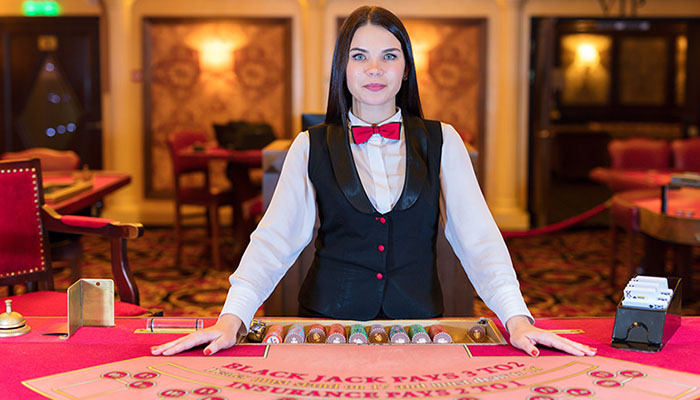
In the realm of casino 카지노api gambling, grasping the odds is paramount to boosting your winning potential. Whether you’re a veteran or a novice, understanding the odds can greatly elevate your gaming enjoyment. This detailed guide will explore all facets of casino odds, covering fundamental principles to advanced tactics, empowering you to make informed choices and enhance your casino triumphs.
The Basics of Casino Odds
What are the Odds?
Odds in a casino context refer to the probability of an event occurring, typically expressed as a ratio or a percentage. They determine how much you can potentially win relative to your initial bet. Understanding these odds allows players to assess risk and reward before placing their bets.
Types of Odds
1. Fractional Odds
Fractional odds are commonly used in the UK and are displayed as a fraction (e.g., 1/5). They indicate the profit you stand to make relative to your stake.
2. Decimal Odds
Widely used in Europe and Canada, decimal odds represent the total payout, including your stake. For example, odds of 2.5 mean you’ll receive 2.5 times your bet if you win.
3. American Odds (Moneyline)
Primarily utilized in the United States, American odds come in two forms: positive or negative. Positive odds (e.g., +200) reveal the potential profit on a $100 bet, whereas negative odds (e.g., -150) indicate the amount needed to wager to win $100.
Probability vs. Payout
Understanding the relationship between probability and payout is crucial. Higher odds generally reflect a lower probability of winning, while lower odds indicate a higher likelihood of winning but with smaller payouts.
Popular Casino Games and Their Odds
1. Blackjack
House Edge:
Blackjack offers some of the best odds in a casino, with a low house edge of around 1% if played optimally. Learning basic strategy can further reduce the edge to less than 0.5%.
Strategy Tip:
Avoid insurance bets as they have a high house edge, typically around 7-8%.
2. Roulette
House Edge:
Roulette’s house edge varies depending on the type of bet. For example, European roulette (single zero) has a lower house edge (2.7%) compared to American roulette (double zero) with a higher edge (5.26%).
Strategy Tip:
Opt for outside bets like Red/Black or Odd/Even for improved winning chances, albeit with reduced payouts.
3. Slots
House Edge:
Slot machines vary widely in terms of odds, with higher denomination machines generally offering better payouts. However, they also require larger bets.
Strategy Tip:
Look for slots with high RTP (Return to Player) percentages, ideally above 95%, to maximize your chances of winning.
4. Craps
House Edge:
Craps bets have varying house edges, with Pass/Don’t Pass bets offering the best odds at around 1.41%.
Strategy Tip:
Avoid proposition bets due to their significantly higher house edge, sometimes exceeding 10%.
5. Poker
House Edge:
Poker is unique as it’s played against other players rather than the house. The casino makes money through rake, not direct odds against players.
Strategy Tip:
Focus on skill and strategy rather than odds alone. Learn to read opponents and bluff effectively to enhance your chances of winning.
Advanced Strategies for Maximizing Winnings
1. Bankroll Management
Importance:
Effectively managing your bankroll is key to achieving long-term success. Establish limits on your per-session bets and adhere to them to steer clear of chasing losses.
Strategy Tip:
Use the “Kelly Criterion” to determine optimal bet sizes based on your edge over the casino.
2. Identifying Games with Favorable Odds
Importance:
Not all casino games offer the same odds. Focus on games with lower house edges to maximize your chances of winning.
Strategy Tip:
Research and compare odds across different games before deciding where to place your bets.
3. Taking Advantage of Bonuses and Promotions
Importance:
Many casinos offer bonuses and promotions that can provide extra value and improve your odds temporarily.
Strategy Tip:
Read the terms and conditions carefully to understand wagering requirements and ensure the bonus is beneficial.
Conclusion
Becoming proficient in casino odds is a voyage that demands a blend of expertise and dedication. By grasping the fundamental principles of odds, making astute game selections, and employing sound strategies, you can notably enhance your prospects of triumphing at the casino. Always bear in mind to gamble responsibly and relish the excitement of gaming in a secure and enlightened manner.
For more insights on casino odds and strategies, feel free to explore our comprehensive guides and resources. Happy gaming!
Ho Chi Minh City’s Late-Night Eateries: A Foodie’s Haven

Introduction
Exploring Ho Chi Minh City’s 호치민마사지 lively culinary landscape extends beyond daylight hours. The city, famed for its vibrant past and bustling thoroughfares, metamorphoses into a paradise for gastronomes post-sunset. With fragrant street food vendors, intimate cafes, and bustling night markets, every taste bud finds solace well into the night.
Street Food Delights
Pho and Beyond: Noodles Galore
Ho Chi Minh City, affectionately known as Saigon, is synonymous with pho—a fragrant noodle soup that locals and visitors alike crave day and night. As the city winds down, street vendors fire up their grills and soup pots, serving not just pho but a myriad of noodle dishes. Bun Thit Nuong, vermicelli topped with grilled pork and fresh herbs, tantalizes with its smoky flavors. Mi Quang, a regional specialty from Central Vietnam, offers a hearty bowl of turmeric-infused noodles with shrimp, pork, and quail eggs.
Banh Mi: The Iconic Vietnamese Sandwich
A visit to Ho Chi Minh City isn’t truly fulfilled without savoring its renowned banh mi. This delightful French-Vietnamese fusion sandwich comprises a crunchy baguette packed with an assortment of meats, pâté, pickled veggies, and fragrant herbs. Nighttime food joints put their spin on it, presenting special fillings such as grilled beef or sardines, guaranteeing a flavor explosion in every bite.
Night Markets and Vibrant Scenes
Ben Thanh Market: Where Tradition Meets Modernity
Ben Thanh Market stands as an iconic landmark that buzzes with life long after dusk. Amidst its maze of stalls selling everything from textiles to souvenirs, a culinary adventure unfolds. Here, you can indulge in piping hot com tam, broken rice with grilled pork, or sample hu tieu, a light yet flavorful noodle soup with clear broth and an array of toppings. The market’s atmosphere, illuminated by colorful lanterns and the chatter of locals, adds to the sensory feast.
Binh Tay Market: Chinatown’s Culinary Gem
Explore the vibrant Binh Tay Market in Ho Chi Minh City’s Chinatown, known for its authentic dishes and bustling vibe. Indulge in banh xeo, crispy Vietnamese pancakes filled with shrimp and bean sprouts, paired with fresh herbs and savory sauce. At night, experience the market’s lively atmosphere as locals and travelers enjoy late-night bites.
Trendy Cafes and Hidden Gems
Cafe Culture: Beyond Coffee
Ho Chi Minh City boasts a thriving cafe culture that extends well beyond its world-renowned ca phe sua da (Vietnamese iced coffee). Late-night cafes, with their chic decor and relaxed vibes, beckon weary explorers seeking a quiet retreat. Here, you can savor decadent che, a sweet dessert soup featuring mung beans, coconut milk, and sticky rice, or opt for banh flan, a Vietnamese rendition of crème caramel that melts in your mouth.
Hidden Gems: Local Hangouts
Beyond the popular tourist attractions, Ho Chi Minh City holds secret treasures beloved by locals. Quan Oc Gia Dinh, a modest eatery hidden in an unassuming alley, excels in serving oc, or snails, prepared in diverse ways like lemongrass and chili. This nocturnal haunt provides a peek into genuine Vietnamese culinary traditions, characterized by robust flavors and an unassuming atmosphere.
Planning Your Night Food Adventure
Navigating the City’s Culinary Map
As you plan your late-night food escapade in Ho Chi Minh City, consider exploring different districts, each offering its culinary specialties. District 1, with its central location, boasts bustling markets and upscale eateries, while District 5, Chinatown, offers a more traditional culinary journey. Venturing off the beaten path into District 3 reveals a blend of old-world charm and modern dining experiences.
Tips for Nighttime Dining
- Timing Is Key: Most late-night eateries in Ho Chi Minh City open around dusk and operate until the early hours. Arriving after 8 PM ensures you catch the city at its liveliest.
- Cash is King: While some establishments accept cards, carrying cash ensures smoother transactions, especially in smaller, local eateries.
- Explore Fearlessly: Don’t shy away from trying unfamiliar dishes or venturing into lesser-known neighborhoods. Some of the best culinary discoveries await off the main tourist trail.
Conclusion
In Ho Chi Minh City, the late-night dining spots offer more than just food – they encapsulate a vibrant culture where flavors, scents, and traditions converge beneath a starlit sky. Whether relishing aromatic noodle bowls in a bustling market or enjoying Vietnamese coffee in a hidden cafe, every bite narrates the tale of a city rich in history and culinary creativity. Embrace the journey, cherish each moment, and allow Ho Chi Minh City’s late-night culinary landscape to enchant your senses.
Exploring the Evolution of Sports Broadcasting Techniques

Introduction to Sports Broadcasting
Sports broadcasting 스포츠중계 has undergone a remarkable journey, progressing from its origins in radio commentary to the present-day immersive, multi-platform experiences. This transformation has revolutionized fan interaction with their beloved sports, providing unparalleled access and engagement. Our exploration delves into the historical narrative, technological advancements, and future potential of sports broadcasting methodologies.
The Early Days: Radio Broadcasts
The Birth of Sports Radio
Sports broadcasting originated with radio in the early 20th century. The inaugural live sports broadcast is commonly attributed to the 1921 KDKA radio transmission of a Pittsburgh Pirates baseball match. This moment signaled the dawn of a new epoch, enabling fans to revel in the thrill of sports instantaneously, irrespective of distance.
The Impact on Fan Engagement
Radio broadcasts transformed the sports landscape, widening access for a larger audience. Fans could support their beloved teams and athletes from afar, nurturing a community spirit and shared journey.
The Transition to Television
The First Televised Sports Events
Television revolutionized sports broadcasting by introducing a new dimension. The inaugural live televised sports event showcased a college baseball clash between Columbia and Princeton in 1939. This breakthrough enabled fans to witness the unfolding action, deepening their engagement with the game.
Color Television and Instant Replay
The advent of color television in the 1960s and the introduction of instant replay in the 1970s further enriched the viewing experience. These advancements allowed for better visualization of the game and analysis of crucial moments, increasing viewer engagement and understanding.
The Digital Revolution: Cable and Satellite
The Rise of ESPN and Dedicated Sports Channels
ESPN’s emergence in 1979 signified a pivotal moment in sports broadcasting history. Being the inaugural 24-hour sports channel, ESPN revolutionized the way fans engaged with sports content by offering continuous coverage, insightful analysis, and live broadcasts.
Satellite Broadcasting and Global Reach
Satellite technology expanded the reach of sports broadcasting, enabling live coverage of international events. Fans could now watch global sporting events like the Olympics and the FIFA World Cup, breaking geographical barriers and fostering a global sports community.
The Internet Age: Streaming and On-Demand Content
The Emergence of Sports Streaming Services
The internet revolutionized sports broadcasting, introducing streaming services such as ESPN+, DAZN, and NBC Sports Live. These platforms provide fans with the flexibility to enjoy live sports and on-demand content across multiple devices, at their convenience.
Social Media and Fan Interaction
Social media plays a vital role in sports broadcasting, with platforms such as Twitter, Facebook, and Instagram providing real-time updates, behind-the-scenes content, and direct interaction with athletes and teams. This enhances fan engagement and creates a personalized experience.
Technological Innovations Enhancing the Viewing Experience
High-Definition (HD) and 4K Broadcasting
High-definition and 4K broadcasting have significantly improved the visual quality of sports broadcasts. These technologies offer crystal-clear images, bringing fans closer to the action and enhancing their overall viewing experience.
Virtual Reality (VR) and Augmented Reality (AR)
Virtual reality (VR) and augmented reality (AR) are transforming sports broadcasting. VR creates immersive experiences, putting fans right into the stadium. On the other hand, AR enhances the viewing experience by overlaying real-time data like player stats and game analysis.
Drones and Aerial Footage
Drones have added a new perspective to sports broadcasting by capturing aerial footage and dynamic angles. This technology provides unique views of the action, particularly in sports like football, soccer, and racing, enhancing the overall visual storytelling.
The Role of Data and Analytics
Real-Time Statistics and Analysis
The infusion of real-time data and analytics into sports broadcasting has revolutionized fans’ comprehension and interaction with the game. Enhanced metrics, player statistics, and comprehensive analysis are seamlessly integrated into broadcasts, offering profound insights and enriching the overall viewing experience.
Predictive Analytics and AI
Predictive analytics and artificial intelligence are shaping the future of sports broadcasting. These technologies can predict game outcomes, and player performance, and even suggest optimal camera angles, making broadcasts more informative and engaging.
The Future of Sports Broadcasting
5G and Enhanced Connectivity
The introduction of 5G technology is poised to transform sports broadcasting, offering enhanced speed and reliability. This advancement will facilitate smooth streaming, instantaneous data integration, and heightened engagement for spectators.
Personalized Viewing Experiences
The future of sports broadcasting lies in personalization. Advanced algorithms and AI will tailor content to individual preferences, offering customized viewing experiences, interactive features, and exclusive behind-the-scenes access.
Blockchain and Secure Streaming
Blockchain technology can potentially enhance the security and transparency of sports broadcasting. It can provide secure streaming, prevent piracy, and ensure fair revenue distribution among content creators.
Conclusion
The progression of sports broadcasting methods has fundamentally altered the way fans interact with and enjoy sports. From the inception of radio to the contemporary immersive, cross-platform encounters, technological progressions have consistently boosted the availability, caliber, and engagement of sports content. As we gaze ahead, advancements such as 5G, VR, AR, and AI hold the potential to redefine the sector, providing fans with increasingly tailored and captivating experiences.