
Construction services
Building
the future
WHAT WE DO
Our Service

Industrial Engineering
Arc embraces holistic development and support for employees the aim of being

House Renovation
World class infrastructure solutions to customers and stakeholders.

General Contractor
Since the 1980s, as the complexity of buildings began to increase, the field of Industrial Engineering
OUR SERVICES
Industrial engineering.
World class infrastructure solutions to customers range of industry sectors.
Architecture
Industrial Engineering
And Construction
Construction
Infrastructure
Solutions
Interior Design
First-class Construction
And Infrastructure
국내 야구 시즌이 시작되면 많은 팬들이 각 구단의 경기를 실시간으로 시청하고 싶어 합니다. 고릴라티비에서는 KBO 리그의 모든 경기를 고화질로 제공하며, 누구나 무료로 시청할 수 있는 환경을 제공합니다. 특히 끊김 없는 스트리밍과 광고 없는 쾌적한 화면은 야구 팬들에게 큰 만족을 주고 있습니다. 이정후, 강백호, 김하성 등 인기 선수들의 활약을 실시간으로 확인하고 싶다면, 고릴라티비의 프로야구중계 서비스를 이용해보세요. 경기 스코어 확인은 물론, 홈런, 역전극 등 하이라이트 장면도 함께 제공되어 팬들의 눈과 귀를 사로잡습니다.
최근 스포츠 팬들 사이에서 경기의 재미를 더하는 수단으로 토토가 주목받고 있습니다. 단순한 게임을 넘어 경기의 결과를 예측하고 보상을 받는 시스템은 많은 이용자들에게 흥미로운 경험을 제공합니다. 하지만 무분별한 참여보다는 신뢰할 수 있는 플랫폼을 이용하는 것이 가장 중요합니다. 정식 인증을 받거나 검증된 업체를 통해 토토를 이용해야 안전한 환경에서 서비스를 즐길 수 있습니다. 또한, 과도한 베팅은 지양하고 재미를 위한 선에서 즐기는 것이 바람직합니다. 건전한 스포츠 문화와 함께 토토를 올바르게 활용해보세요.
Construction Hard Hats: The Ultimate Guide to Choosing the Right Headgear for Safety and Comfort
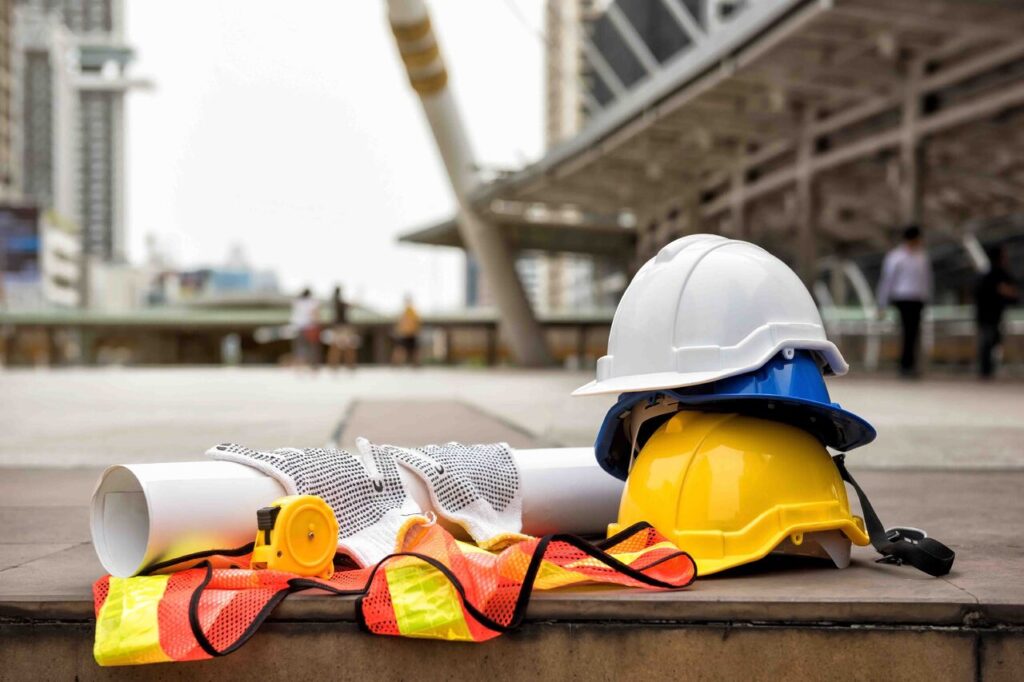
Construction sites can be dangerous places, with workers facing a variety of hazards. One of the most important pieces of personal protective equipment for construction workers is the hard hat. In this article, we will explore the different types of construction hard hats, the materials used to make them, and the features that make a good hard hat. We will also discuss how to choose the right hard hat, the importance of wearing one, and the future of hard hat technology.
The Purpose of a Construction Hard Hat
The primary purpose of a construction hard hat is to protect a worker’s head from impact and penetration injuries. Falling objects, bumps, and electrical hazards are just a few examples of the types of hazards that a hard hat can protect against. Hard hats are designed to absorb the force of an impact and distribute it evenly across the helmet to minimize the risk of injury.
The Types of Construction Hard Hats
There are two main types of construction hard hats: Type 1 and Type 2.
Type 1 Hard Hats:
Type 1 hard hats are designed to provide protection from impact to the top of the head only. They are commonly used in industries such as mining and construction.
Type 2 Hard Hats:
Type 2 hard hats provide protection to both the top and sides of the head. They are ideal for workers who are at risk of lateral impact injuries, such as those working on roads or in forestry.
The Materials Used to Make Construction Hard Hats
Construction hard hats are made from a variety of materials, including thermoplastic, fiberglass, aluminum, and carbon fiber.
Thermoplastic:
Thermoplastic is the most common material used in hard hats. It is lightweight, durable, and affordable.
Fiberglass:
Fiberglass is also a popular material for hard hats, as it provides superior impact resistance. It is also non-conductive, making it ideal for electrical work.
Aluminum:
Aluminum hard hats are the strongest and most durable of all the materials used in hard hats. They are often used in high-risk environments, such as offshore oil rigs.
Carbon Fiber:
Carbon fiber hard hats are the lightest and most expensive of all the materials used in hard hats. They are ideal for workers who need to wear their hard hats for extended periods.
The Features of a Good Construction Hard Hat
A good construction hard hat should have a number of features to ensure maximum protection and comfort.
Suspension System
A good suspension system is essential to a comfortable and safe hard hat. It should provide a secure fit while still allowing for airflow to keep the worker cool.
Ventilation:
Ventilation is also important to keep workers cool and comfortable. Good ventilation will also prevent the build-up of sweat and odors.
Lightweight:
A lightweight hard hat is important for worker comfort, especially for those who need to wear it for extended periods. It should not add unnecessary weight to the head.
Chin Strap:
A chin strap is essential to keep the hard hat in place in case of an impact. It should be adjustable and secure enough to prevent the helmet from falling off.
Compatibility with Accessories:
A good hard hat should be compatible with accessories such as ear protection, face shields, and headlamps. This allows for greater versatility and protection on the job.
How to Choose the Right Construction Hard Hat
Choosing the right construction hard hat can be a daunting task. Here are a few factors to consider:
Type of Work:
The type of work being done will determine the type of hard hat needed. For example, a worker in a mining environment may need a Type 1 hard hat, while a worker on a construction site may need a Type 2 hard hat.
ANSI/ISEA Certification:
It is important to choose a hard hat that is certified by ANSI/ISEA (American National Standards Institute/International Safety Equipment Association). This certification ensures that the hard hat has been tested and meets certain safety standards.
Fit and Comfort:
A good hard hat should fit properly and be comfortable to wear. It should not be too tight or too loose, and the suspension system should be adjustable to fit the worker’s head.
Color and Design:
While the color and design of a hard hat may seem like a minor consideration, it can be important for visibility and identification on the job site. Some companies may also have specific color requirements for their workers.
The Importance of Wearing a Construction Hard Hat
Wearing a construction hard hat is essential for worker safety. It can prevent serious head injuries that could be life-threatening or cause permanent disability. Hard hats are also required by law in many industries and on many job sites.
The Future of Construction Hard Hats
Technology is constantly evolving, and the construction industry is no exception. The future of construction hard hats may include features such as augmented reality, sensors that detect impacts and provide real-time data, and even smart helmets that can monitor workers’ vital signs.
Conclusion
Construction hard hats are an essential piece of personal protective equipment for workers in the construction industry. They protect against impact and penetration injuries and can prevent serious and even life-threatening accidents. Choosing the right hard hat and ensuring it fits properly is crucial for worker safety.
Exploring the Importance and Types of Architecture Sketches in the Design Process: A Comprehensive Guide
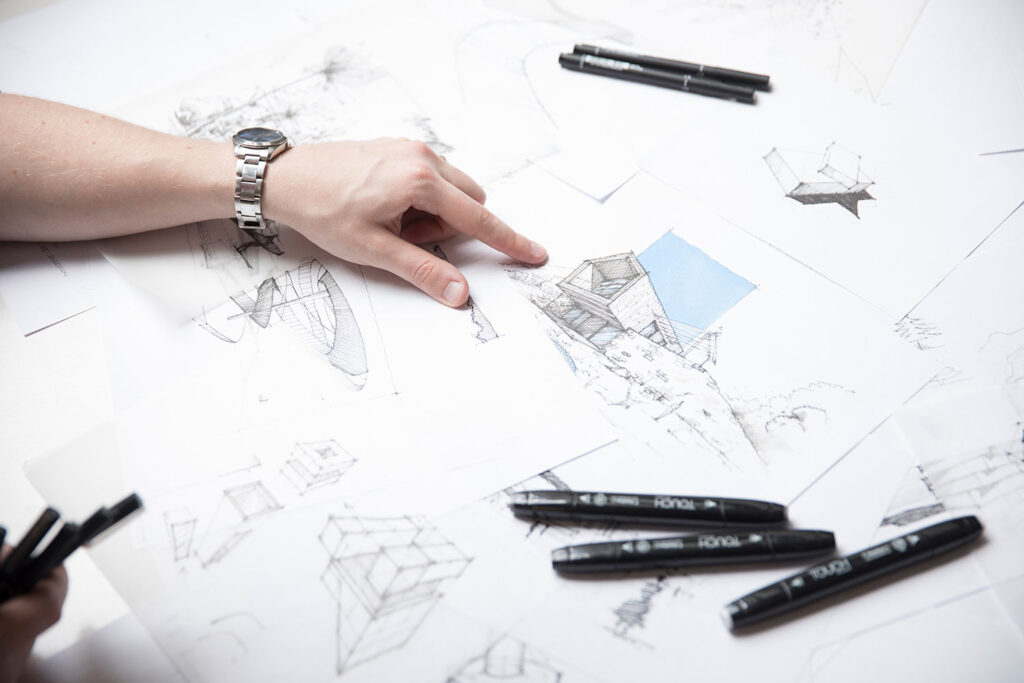
Architecture sketches are an integral part of the design process for architects, engineers, and designers. They are a visual representation of the initial ideas and concepts that are used to develop the final design of a building or structure. Sketches can be done in various mediums, from pencil and paper to digital software, and are an important tool for communicating design ideas to clients, contractors, and other team members.
Importance of Architecture Sketches in the Design Process
Architecture sketches are crucial in the early stages of the design process, as they allow architects and designers to explore different design ideas and concepts. Sketches help to communicate these ideas to other team members, clients, and stakeholders, allowing everyone to visualize the design and provide feedback. Additionally, sketches provide a tangible record of the design process, showing how the design has evolved over time and helping to identify potential design flaws.
Types of Architecture Sketches
There are several types of architecture sketches, each with their unique advantages and disadvantages. The three most common types of sketches are freehand sketches, digital sketches, and hybrid sketches.
Freehand Sketches
Freehand sketches are created by hand, using traditional tools such as pencils, pens, and markers. These sketches are quick and easy to create, making them ideal for brainstorming and exploring design ideas. Additionally, freehand sketches have a unique artistic quality that can be appealing to clients and stakeholders.
Digital Sketches
Digital sketches are created using computer software, such as Adobe Photoshop or SketchUp. These sketches allow for more precise lines and can be easily modified and shared with others. Digital sketches are also useful for creating detailed 3D models of the design, which can be used for presentations and marketing materials.
Hybrid Sketches
Hybrid sketches combine both traditional and digital techniques, using a combination of hand-drawn and computer-generated elements. These sketches allow for the best of both worlds, providing the artistic quality of freehand sketches with the precision and flexibility of digital sketches.
Tools Used for Architecture Sketches
Architects and designers use a variety of tools to create sketches, depending on their preferences and the type of sketch they are creating.
Traditional Tools
Traditional tools for sketching include pencils, pens, markers, and tracing paper. These tools are readily available and easy to use, making them popular among architects and designers.
Digital Tools
Digital tools for sketching include computer software such as SketchUp, Adobe Photoshop, and Autodesk. These tools allow for more precise lines and can be easily modified and shared with others.
Benefits of Using Architecture Sketches in the Design Process
There are several benefits to using architecture sketches in the design process, including:
- Quick and easy to create: Sketches can be created quickly and easily, allowing designers to explore multiple design ideas and concepts.
- Effective communication: Sketches provide a visual representation of the design, making it easier to communicate design ideas to clients, stakeholders, and team members.
- Tangible record: Sketches provide a tangible record of the design process, showing how the design has evolved over time and helping to identify potential design flaws.
Tips for Creating Effective Architecture Sketches
Creating effective architecture sketches requires a combination of artistic talent and technical skill. Here are some tips for creating effective sketches:
- Keep it simple: Sketches should be simple and easy to read, with only essential details included.
- Use contrast: Use contrast to highlight important elements of the design, such as shading or line weight.
- Practice regularly: Regular practice can improve your sketching skills and help you develop your own unique style.
- Consider the audience: Consider the audience when creating sketches, including their preferences and level of technical knowledge.
- Experiment with different mediums: Experiment with different mediums, such as watercolor or charcoal, to find the medium that best suits your style and design needs.
Examples of Famous Architecture Sketches
There are many famous architecture sketches that have influenced the industry over the years. Some examples include:
- Le Corbusier’s sketches of the Villa Savoye
- Frank Lloyd Wright’s sketches of Fallingwater
- Michael Graves’ sketches of the Portland Building
- Zaha Hadid’s sketches of the Cardiff Bay Opera House
Future of Architecture Sketches in the Industry
As technology continues to advance, the future of architecture sketches is likely to become even more digital. Digital sketching tools are becoming more advanced, with the ability to create 3D models and immersive virtual reality experiences. However, traditional sketching techniques are unlikely to disappear entirely, as they continue to offer a unique artistic quality that cannot be replicated digitally.
Conclusion
In conclusion, architecture sketches are a crucial part of the design process for architects, engineers, and designers. They allow for the exploration of design ideas and provide a visual representation of the design for communication with clients and stakeholders. There are several types of sketches, including freehand sketches, digital sketches, and hybrid sketches, each with their unique advantages and disadvantages. By following the tips outlined in this article, architects and designers can create effective sketches that effectively communicate their design ideas.